

The most common switch in your house is a single-pole switch with a toggle marked “On” and “Off.” It typically is used to control a light fixture or a receptacle. Single-pole simply refers to electricity flowing in one direction. In most cases, one black (hot) wire is connected to one terminal screw (or it might be back wired), and a second hot wire is connected to the other terminal screw, proceeding on to the light. In terms of physics, a pole is just one of two opposite points on a magnet that manifest the magnetic properties. (Remember, a spinning magnet, called a dynamo, at your utility’s power plant creates the electric current.) Unlike older switches, modern versions often come with a ground terminal for the green or bare copper ground wire.
A single-pole switch controls the current to its load from one location only. Other witches control the current from two or even three different locations


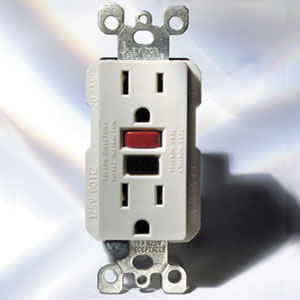 We use them every day, but we don’t think about them much. This is a good indication of the reliability of switches and receptacles. A bathroom light switch, for example, might be clicked on and off 10 times a day (depending on the size of your family). That’s a few thousand clicks each year, and the switch keeps going and going. If only our computers and operating systems were that reliable. A switch controls the flow of electricity between a source and an end device such as a light fixture. In a standard modern light switch, a metal arm inside the switch connects the two screw terminals to which the black, or hot, wires are connected. In the “Off” position, this arm moves out of the way and cuts off the flow of electricity along the conductors.

 A change order is a modification to a contract. It can be initiated by either you or your contractor, but it must be agreed to by both. You might decide to add more lights, for example, or a different type of fixture. Your electrician might run across unforeseen problems such as an existing circuit that must be replaced (when you assumed it could still be used). A change order usually means an increase in the price of the job, but this is not always the case. You might decide to eliminate some fixtures or to go for less-expensive ones, thus lowering your overall cost. The best change order, ideally, is no change order. Change orders can delay a job and might cause your electrician to have to undo work completed under your original specifications to accommodate the requested change. No plan is perfect. Remodeling is a fluid experience. As it progresses, you might see things you did not see during the planning stages. A skylight in the bedroom might become more desirable than the track lighting that just went in this morning. Don’t laugh, I had a client with more money than sense who did just that. Out came the new drywall and lights; in went new skylights and windows into newly finished rooms. At least he kept the carpenters employed and happy.


