

A self-supporting retrofit box can be installed in an existing ceiling or wall if your light fixture doesn’t have a box. This regularly will be the case with very old wiring or poorly done additions to your electrical system. You’d be surprised how many old incandescent fixtures are attached directly to plaster lath instead of to any kind of box. Retrofit boxes come in two flavors: metal and plastic. Each is designed to fit snugly against either plaster or drywall by using adjustable ears and brackets that expand and/or tighten against the wall. A plastic box has an attached, U-shaped bracket that tightens like a toggle bolt as its attachment screw is tightened. A metal retrofit box comes with brackets or supports (known as “Madison Holdits” and sometimes as “battleships”) that fit between the box and the wall. As they are pulled out, they firm up the fit of the box. The arms of the supports are then bent over the edge of the box, tucked inside, and pinched tightly with pliers.
Another version of a metal retrofit box features a screw-operated support on each side of the box. As the screws are tightened, the metal support wedges the box in tightly against the plaster or drywall. A retrofit plastic box has plastic or metal internal cable clamps that help secure the cables to the box should it ever slip from the opening. Metal boxes are a bit trickier to use if you’re unfamiliar with them, so consider using plastic retrofit boxes for your work.


 Changing a light fixture can be more involved than simply replacing a switch or a receptacle. Switches and receptacles almost always are housed in electrical boxes, but this isn’t always true for light fixtures. If the system is old or has been hacked at enough, you can disassemble an old ceiling light only to find a couple of wires dangling through the plaster without the hint of a box. As you should know by now, this is a dangerous situation because all wire connections must take place within a box. You might feel like cheating by continuing the status quo, but don’t. You’ll need to install a new box (unless one’s already there).






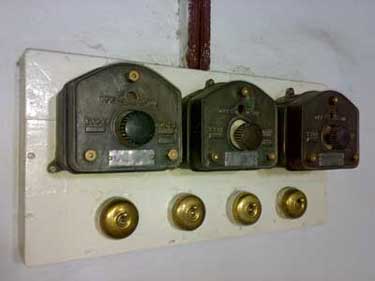
 Now that you know about switches and receptacles, it’s time to replace any that are broken or to upgrade existing ones. The most common upgrade is swapping a standard toggle switch for a dimmer. Newer, quieter models—that don’t have the resounding “click” of old switches—sometimes are installed in older homes that still have their original devices.


